What Monopoly (and Hugh Grant) Can Teach Us About Product Iteration
In Heretic, a 2024 psychological horror thriller, Hugh Grant plays a chilling villain named Mr. Reed—a twisted blend of the Riddler and Buffalo Bill. The film keeps you guessing, especially as two missionaries (played by Sophie Thatcher and Chloe East) are drawn into his mind games. In one scene, Mr. Reed launches into a philosophical monologue about the iterations of religion, using Monopoly as his metaphor.
When he uttered the word “iterations,” my ears perked up. Is Hugh a monomaniacal product guy?
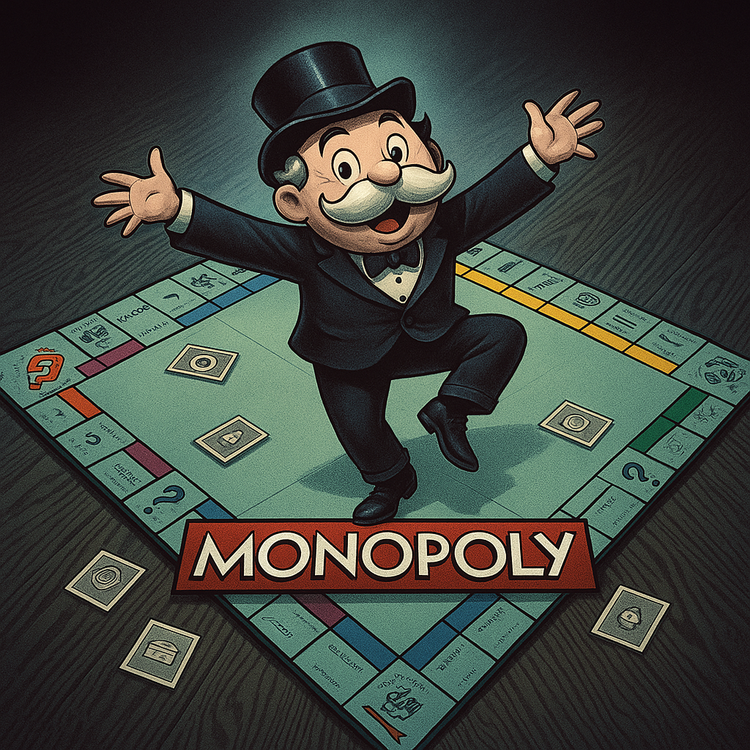
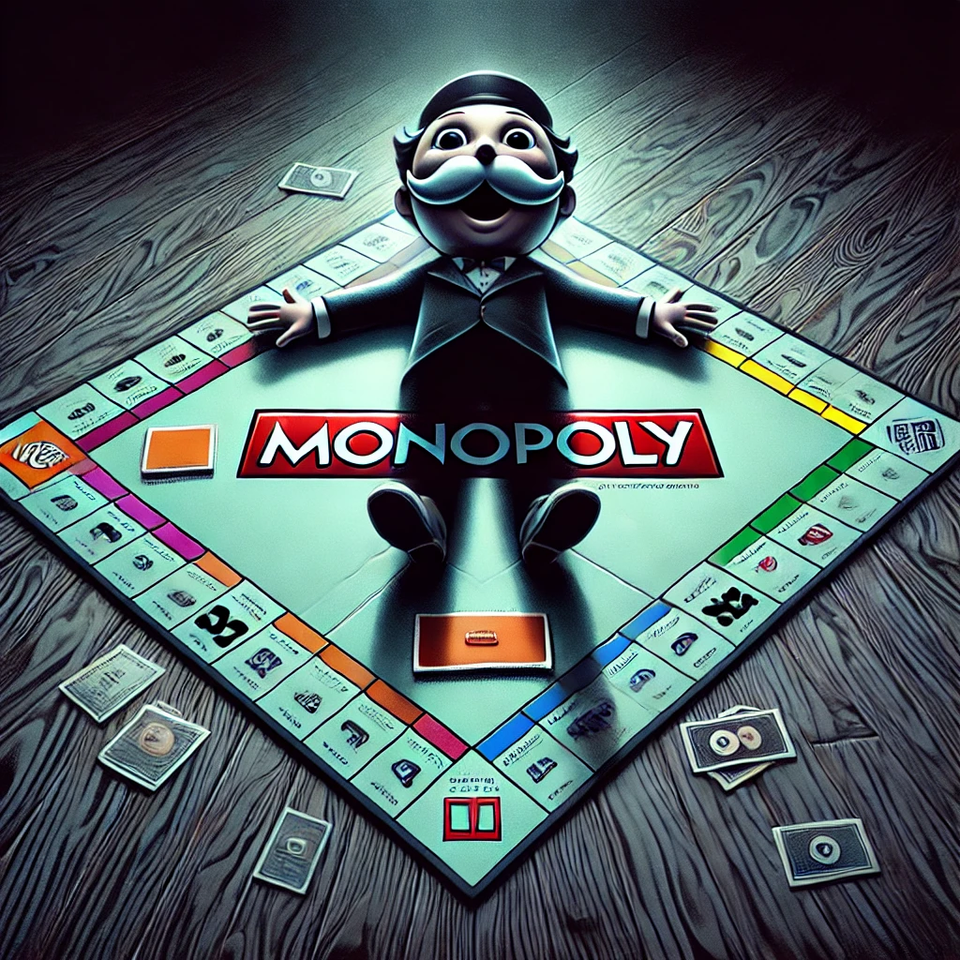
Monopoly, after all, demonstrates how long-term iteration creates value. But its history goes even deeper than most people realize. While Parker Brothers officially published Monopoly in 1935, after purchasing the rights from Charles B. Darrow, the game’s origin story begins over 120 years ago, in 1904, with The Landlord’s Game. Created by Elizabeth Magie, it was designed to highlight the dangers of unchecked capitalism… a far cry from the game night staple we know today.
And yet, over the decades, this single idea has evolved, adapted, and stayed culturally relevant across generations. City editions, electronic banking, Fortnite Monopoly, even Monopoly for Millennials. The product has shifted to meet the moment.
So, the real product question is this… How do we know when a product has reached the end of its life? Or better yet… can we uncover new value by looking at the problems our products were originally trying to solve?
Let’s scroll back and examine the iterations, as told through the twisted brilliance of Mr. Reed.